“I’m Doing the Friendship Work. Why am I Still Lonely?”When effort hasn’t yet turned into the closeness you’re craving
In this month’s anonymous letter, I’m answering a letter from a 37-year-old woman who knows how to put herself out there and has already tried many of the things we often talk about when it comes to friendship. What she’s struggling with is the lonely middle—the stretch between losing old closeness and building new relationships that feel deep, mutual, and sustaining. Dear Nina,I am 37-year-old woman who loves your podcast, and I appreciate all the ways you've helped me evolve in my thinking on friendships. I'm looking for advice about how to deal with the loneliness between friendship phases. For various reasons, I'm currently not very relationally wealthy. I'm single and childfree. I have two siblings across the country, both recently married and preparing for kids, and my parents are in another state. I also have many very casual acquaintances, but most of my formerly close friendships have either faded due to life circumstances or ended due to values divergences. This happened in two waves: #1. after a religious deconstruction in my early 30s. #2. Over the course of the past 5-6 years as my other friends partnered and moved or started having kids (or both). Dear “Trying but still lonely,”This letter really moved me. You are already doing so much of what I would advise, which you know as someone who listens to Dear Nina. On top of staying in touch with your family, taking care of yourself, slowly building new friendships at a realistic pace, reconnecting with a few college friends, and even talking to strangers, it sounds like you’ve taken in advice I’ve given about not waiting for invitations. You ask people to go for walks. You reach out to people you see at events. You’re doing so much important socializing work (and it IS work) and now you’re in that slow time of waiting for the emotional payoff. I do have some optimistic thoughts about that. We’ll get to that a bit later. Before we get to the more practical ideas, I quickly want to mention something you’ve probably addressed with your therapist (which is out of my realm so I’m just throwing out this possibility). It sounds like you’re dealing with more than loneliness. From your letter, it seems you’re also mourning some of the old friendships that had no clear ending, and you’re still in that grieving process. Some of these friendships seem to have faded because of life circumstances, while others changed more directly after your religious deconstruction. Sometimes a “fading out” of a friendship is harder to grieve than a breakup. Even when you know intellectually it’s not personal and it’s more about availability, proximity, and circumstances, I wonder if what you’re feeling is grief as you’re mourning a version of your life where friendships felt fuller and easier. Regarding the loneliness: yes, of course you feel lonely. You’re doing an excellent job putting yourself out there and doing the important work of taking care of yourself (massages, etc.), but none of that is the same as feeling deeply known, and that’s what you miss. I believe you will get there, and I wouldn’t take that 200-hours statistic too literally. (More on that in a moment too!) There is one important thing you didn’t mention in your letter, and I do think it will help. I also want to mention a point about your siblings, parents, and a few long-distance friends you might still feel close to. Continue reading this post for free in the Substack app
|
Whether your audience wants to learn how to run a business or simply advance in their career, they will always turn to specialized business blogs for advice.
Thursday, 10 September 2026
“I’m Doing the Friendship Work. Why am I Still Lonely?”
Thursday, 3 September 2026
Expecting Friendship From an Acquaintance
Expecting Friendship From an AcquaintanceWhat happens when you skip the steps that build closeness
One of the trickiest parts of friendship is the process of moving from acquaintance to friend. It IS a process. Even if you have instant chemistry with a new potential friend, it takes time to go from acquaintance to friend. That stellar chemistry rarely makes up for a lack of experiences together where trust is built and where expectations of the other person would be appropriate. Ugh, but how long does it take to make a real friend?As we know from former Dear Nina guest, Dr. Jeffrey Hall and his team, who have been quoted (not always properly, I might add) in every friendship book, article, and social media post released in the past decade:
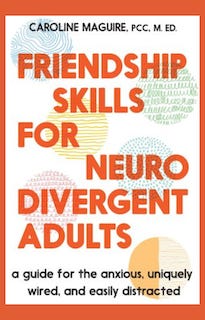
This week on Dear Nina, I spoke about the issue of expecting friendship-level activities, favors, and emotions from people are who are still acquaintances. (You’ve spent less than 40-60 hours getting to know them through a class, work, or some other regular time together.) “Acquaintance” is not a bad word.You can have fun times, serious talks, and feel a sense of social fulfillment from an acquaintance. I have lots of acquaintances and one step up—plenty of casual friends. Life would be dry without them. But our expectations around invitations and reciprocity from acquaintances (and even casual friends) needs to be right-sized. Many people out there are feeling rejected (and a sense of shame about that “rejection”) from people you are still getting to know and who barely know you. That’s not helping anyone’s confidence or sense of worth. (Quick shoutout to an upcoming mid-September Dear Nina guest, Dr Marisa G Franco, whose newest book, Worth: The New Science of Self-Esteem and Secure Attachment, comes out soon.) The free newsletter gives you the big friendship ideas. The paid version is where I answer anonymous friendship letters with detailed responses and give you access to the growing Dear Nina Library of Friendship Dilemmas. But doesn’t asking favors, inviting people to “stuff,” and counting on them bring you closer?Yes, but. I know that’s an irritating answer. Yes, those first 40 to 60 hours WILL add up by being brave and taking first steps like I’ve said on almost every episode, but not out of the blue and not after meeting someone once or twice. I’m not saying you should forget the idea of inviting, etc. Yes, invite, include, and let those hours add up. But until the hours accumulate to MANY HOURS, be careful about any expectations you have about response you’re going to get for your efforts. Your acquaintance isn’t going to necessarily text back right away, or invite you back, say yes to a trip, lean on you for emotional support, or want to be leaned on for support. Those are expectations are for friends. This week’s guest on the show was Caroline Maguire, an internationally recognized expert in social-emotional learning, ADHD, coaching, and relationship development. She’s the author of Why Will No One Play With Me? and most recently, Friendship Skills for Neurodivergent Adults. Her books have her client population in mind, but it’s wisdom for everyone.
We discussed how past rejection keeps people, especially neurodivergent kids and adults, from trying to make new friends. Caroline urged listeners to understand the difference between an acquaintance and a friend before categorizing something (intellectually, at least) as “rejection.” Caroline hears from clients on both sides of this issue. (As do I from listeners and readers.) A pattern we’ve noticed is that it’s tempting to skip over the acquaintance phase when trying to make new friends. But when any of us, including her clients, have been on the receiving end of someone’s friendship advances too soon, it can feel, to quote Caroline, “like this person is leaning on me as if I'm a friend for a ton of support, but I don't know them that well. And it's kind of making me scared.” She added, “Sometimes my clients don't know what to do and they're worried. They wonder is this a red flag?” It’s just practice!Caroline advised considering any early invitations you’re issuing as you’re building towards those 40-60 hours as merely “practice.” You’re practicing moving from acquaintance to friend, and if it doesn’t work out, that’s okay. “Practicing” might allow you to feel less attached to each acquaintance’s responses (or lack of response). As Caroline points out, sometimes we feel “rejected” by someone because we’re expecting friendship-level responses, but that person is still an acquaintance. And most of us do not say yes to everything an acquaintance throws our way because we’re balancing other responsibilities and people. There’s a lot more to say, but I will let the episode speak for itself at this point. It’s a really good one! FIND EPISODE #209 on Apple, Spotify, Youtube, and anywhere you listen to podcasts! Books, Shows, and Other Finds
From the DEAR NINA FRIENDSHIP DILEMMA LIBRARYSeptember’s letter is coming soon!
Let’s connect outside of this newsletter: You can find me most often in the Facebook group, Dear Nina: The Group. All the social media links are below. Instagram | TikTok | YouTube | LinkedIn | My Website You’re a free subscriber to Dear Nina: Conversations About Friendship. Curious about those once-a-month emails behind the paywall? The anonymous letters (and my answers!) come from the rawest places of friendship uncertainty. They deserve the most sensitive readers who are not going to roll their eyes, leave troll-ish comments, or make the letter-writer feel foolish for asking. If you’re willing to upgrade to this part of the newsletter, I know you’re there with the best intentions to be part of a community that’s not afraid to ask the tough questions and who will read the answers with an open heart. If that’s you, I’d love to see on the other side. :)
© 2026 Nina Badzin |
Countdown to Day of the Dead 🏵️ food + travel
Huatulco's new 💀 festival, Día de Muertos recipes and 🌴 Caribbean news ͏ ͏ ͏ ͏ ͏ ͏ ͏ ͏ ͏ ͏ ͏ ͏ ͏ ͏ ͏ ͏ ͏ ͏ ͏ ͏ ͏ ͏ ͏ ͏ ͏ ͏ ͏ ͏ ͏ ͏...
-
Sheri K posted: " #*insert person/company name*isoverparty or #*insert person/company name*iscancelled How often do you ...
-
Lit Hub Excerpts posted: " I went to work and a guy I wait on said he was leaving. He said everyone he knew was pu...