Why Fawning in Your Friendships is Tiresome for EveryoneAre they mad at me? Do they like me? Am I in trouble? (Make it stop!)
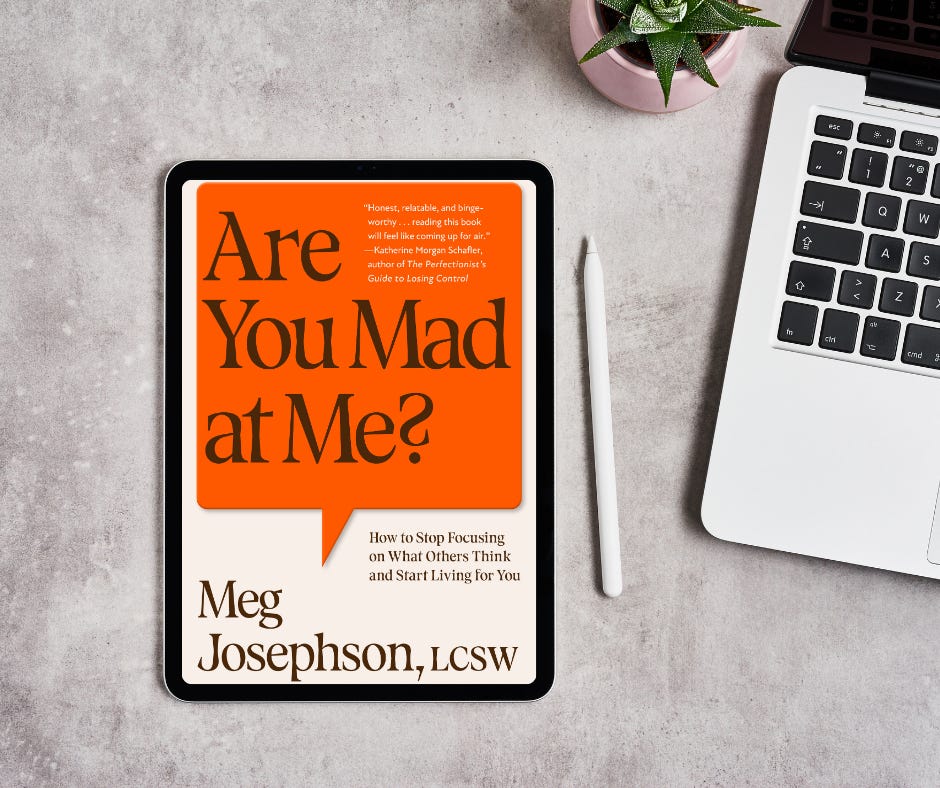
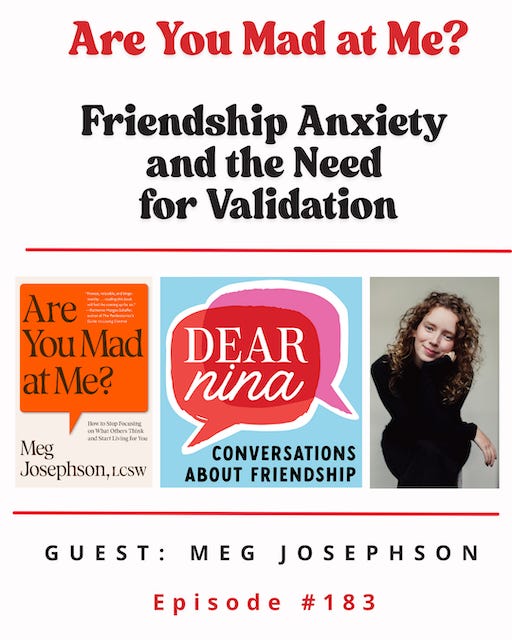
Your friend doesn’t text back right away. A tone feels slightly different. Plans change. Availability shifts. And suddenly the spiral starts: Are they mad at me? Should I check in? Did I offend someone? Did I do something wrong? This week on Dear Nina, I spoke with licensed psychotherapist Meg Josephson, author of Are You Mad at Me?: How to Stop Focusing on What Others Think and Start Living for You, about this exact pattern—especially how it shows up in friendships. I’ve been singing the praises of Meg’s book for the past five months, so it was a thrill to interview her for the show! What I appreciated immediately about Are You Mad at Me is that Meg doesn’t frame people pleasing and the constant need for validation as a flaw or a bad habit we just need to break. She explains that people pleasing and validation seeking is a survival response, known as fawning. Many people learned it early as a way to stay safe, liked, and connected. It worked then. The problem is how easily that same instinct can ruin adult relationships. The problem of “fawning” in friendshipsAlways rushing to make sure you did nothing wrong and that you’re not “in trouble” with your friend is exhausting for both sides of that friendship. The constant monitoring will make you feel like you’re never a good enough friend. And having a friend who never feels secure in the friendship can get tiresome quickly. Instead of assuming neutrality or goodwill, the fawner assumes fault. Instead of tolerating discomfort, the fawner rushes to fix it. Instead of letting relationships breathe, the fawner monitors them constantly. I say this with zero judgement. As you will hear in the episode, I needed this episode FOR ME. Meg and I talked about how fawning shows up as overthinking, over-apologizing, and a constant focus on how we’re being perceived—especially by the people we care about most. One of the most important distinctions we get into is the difference between reassurance-seeking and real emotional connection. Asking “Are you mad at me?” over and over may feel like vulnerability, but it often keeps us stuck in the same loop. The relief is temporary. The anxiety always comes back. What actually helps instead of seeking your friend’s reassurance is learning how to slow down and tolerate discomfort. As Meg points out, healing a fawn response isn’t about convincing yourself that no one is ever mad at you or just doesn’t like you. It’s about learning how to be honest with yourself. Sometimes a situation calls for reflection, accountability, and repair. Sometimes we don’t click with someone or they don’t click with us. And sometimes there’s nothing to be done except letting the discomfort exist without contorting yourself to manage someone else’s perception of you. That’s often the hardest part. (And it’s exactly what Meg is discussing in the short clip below.) 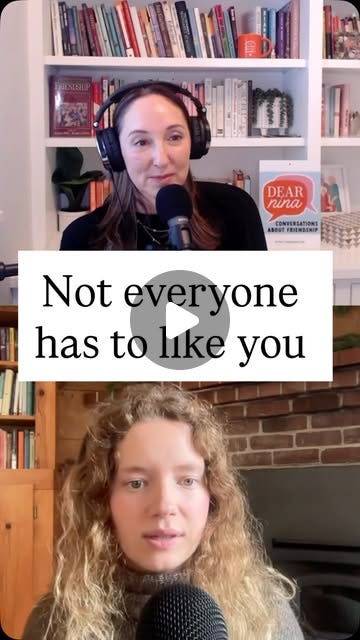 Many of us were taught—explicitly or implicitly—that being liked meant staying safe. So when we sense even the slightest possibility of disapproval, we rush to smooth things over. We explain. We apologize. We make ourselves smaller or more agreeable. Not because we’re manipulative, but because we’re uncomfortable sitting with the idea that someone might not feel great about us. But not everyone has to like you. Hear me again: being disliked isn’t a crisis. A friend being disappointed isn’t a crisis. Learning to tell the difference between when we need to repair a slight rift and when we’re fawning is a practice. (Meg discusses her specific advice for that practice in her book and on my episode.) Doing this work is how friendships stop feeling fragile and start feeling steadier and more real. Listen to episode #183 on Apple, Spotify, YouTube, and anywhere you listen to podcasts!
CELEBRATE YOUR FRIENDS ON DEAR NINA!New for 2026! You can dedicate a week of the show to a friend.
You can record the shoutout yourself so that its heard in your voice. OR, I will record it and the dedication will be heard in my voice. More details are here.
Books, Shows, & Recipes I’m Into These Days
Two Anonymous Letters You Might Have Missed
Let’s connect outside of this newsletter: You can find me most often in the Facebook group, Dear Nina: The Group. All the social media links are below. I know I need to get rid of some them! Instagram | TikTok | YouTube | LinkedIn | My Website
You’re a free subscriber to Dear Nina: Conversations About Friendship. What do you get if you’re a paying subscriber!** Frustrated with some of your friends? You’re not alone! The anonymous letters are a perk for paying subscribers. You probably have a similar question. Upgrade any time. **Yearly subscribers can email me one detailed friendship issue and I will email you back personally.
|
Wednesday, 11 February 2026
Why Fawning in Your Friendships is Tiresome for Everyone













Subscribe to:
Post Comments (Atom)
10 Years Later, I Hardly Recognize Myself Because I'm Becoming Who I Am
Letting go of a creative path in book publishing felt like some part of myself was dying. Now, I can see that other branches were coming ...

-
Sheri K posted: " #*insert person/company name*isoverparty or #*insert person/company name*iscancelled How often do you ...
-
Lit Hub Excerpts posted: " I went to work and a guy I wait on said he was leaving. He said everyone he knew was pu...


No comments:
Post a Comment